The Ultimate Property Playbook Upgrades That Boost Value and Comfort
Owning a property is a dynamic journey that blends the art of design with the science of maintenance. Whether you are a homeowner looking to create a personal sanctuary or an investor aiming to maximize market value, the decisions you make regarding upgrades can have a profound impact on your long-term success. We will explore the critical structural components that protect your investment, the interior refinements that define modern living, and the exterior transformations that turn a simple yard into an outdoor oasis. By balancing aesthetic appeal with functional integrity, you can ensure that every dollar spent contributes to a higher quality of life and a more robust bottom line.
Fortifying the Protective Shell
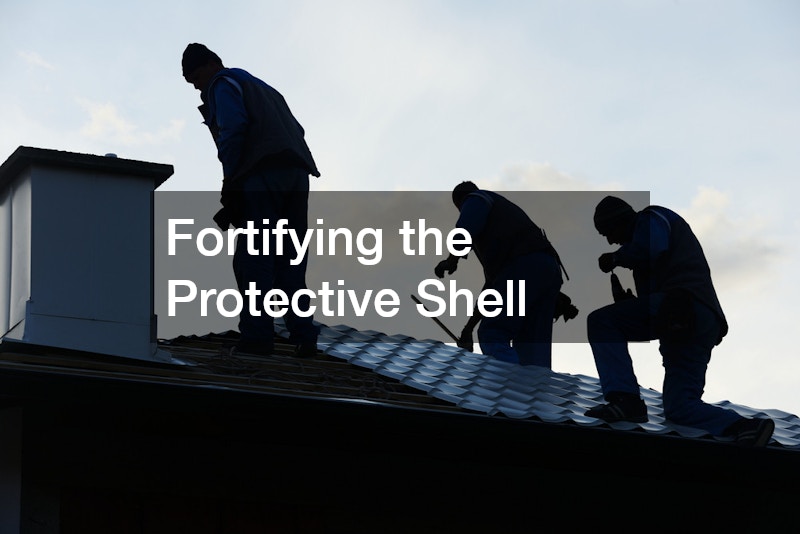
The exterior envelope of a building is its first line of defense against the elements. Rain, wind, and fluctuating temperatures are constant threats to the longevity of any structure.
When wear and tear begin to show, seeking a professional roof repair is the most effective way to prevent minor leaks from becoming major headaches. A skilled technician can identify missing shingles, damaged flashing, or clogged valleys that might compromise the system. However, if the materials have reached the end of their functional lifespan, it is time to consult a reputable roofing company.
Essential Roof Maintenance Tips
-
Gutter Cleaning: Prevent water backup that can rot the fascia boards.
-
Annual Inspections: Catch small cracks before they lead to interior ceiling stains.
-
Ventilation Checks: Proper airflow in the attic prevents shingle “cooking” in summer.
-
Moss Removal: Prevent organic growth from lifting shingles and trapping moisture.
Choosing the Right Materials
-
Asphalt Shingles: The most common and cost-effective option for residential homes.
-
Metal Roofing: Offers exceptional longevity and energy efficiency.
-
Slate and Tile: Provide a high-end aesthetic but require reinforced framing.
-
Synthetic Composites: Mimic natural materials while offering enhanced durability.
Signs of Immediate Structural Need
-
Granule Loss: Finding sand-like particles in your gutters suggests aging shingles.
-
Daylight in the Attic: Visible light through the roof boards indicates a breach.
-
Curling Edges: Heat damage that signifies the material is losing its flexibility.
-
Water Spots: Yellow or brown rings on interior ceilings are a definitive warning.
The Financial Impact of Protection
-
Insurance Discounts: Many providers offer lower premiums for impact-resistant roofs.
-
Resale Assurance: A new roof is one of the most persuasive “peace of mind” selling points.
-
Energy Savings: Modern reflective materials reduce cooling costs significantly.
-
Appraisal Value: Quality overhead protection directly correlates with a higher home valuation.
Powering the Modern Lifestyle
Once the exterior is secure, the focus must shift to the internal systems that make a property functional. In an era dominated by technology and smart devices, the electrical infrastructure of a home is under more strain than ever before. A
Engaging with certified electrical contractors is a non-negotiable step for any significant renovation. These experts can assess your current panel capacity to ensure it can handle modern appliances, electric vehicle chargers, and high-end entertainment systems. Beyond safety, a professional bathroom remodel often requires specialized electrical work, such as the installation of Ground Fault Circuit Interrupter (GFCI) outlets near water sources and the integration of humidity-sensing exhaust fans to prevent moisture damage.
Upgrading Your Electrical Capacity
-
Panel Upgrades: Moving from 100-amp to 200-amp service for modern loads.
-
Circuit Dedicated Lines: Ensuring high-draw appliances like dryers don’t trip breakers.
-
Whole-Home Surge Protection: Safeguarding expensive electronics from power spikes.
-
Smart Lighting Integration: Automating your environment for efficiency and mood.
Safety and Compliance Standards
-
Code Compliance: Ensuring all wiring meets the latest National Electrical Code (NEC).
-
Outlet Grounding: Replacing old two-prong outlets with safe, grounded three-prong versions.
-
Smoke/CO Detectors: Installing hardwired, interconnected alarms for maximum safety.
-
Arc-Fault Protection: Preventing fires caused by hidden wiring faults in bedrooms.
Electrical Needs for Wet Areas
-
GFCI Protection: Mandatory for safety in kitchens and bathrooms.
-
Heated Floors: A luxury electrical upgrade that adds immense value to a home.
-
Recessed Lighting: Providing clean, modern illumination without taking up space.
-
Anti-Fog Mirrors: Requiring integrated wiring for a high-end hotel feel at home.
The Value of Professional Wiring
-
Fire Prevention: The primary reason to avoid DIY electrical work.
-
Future-Proofing: Planning for tomorrow’s technology during today’s renovation.
-
Energy Efficiency: Identifying “phantom loads” that waste electricity.
-
Permit History: Having a record of professional work is vital during a property sale.
The Heart of the Home: Culinary Excellence
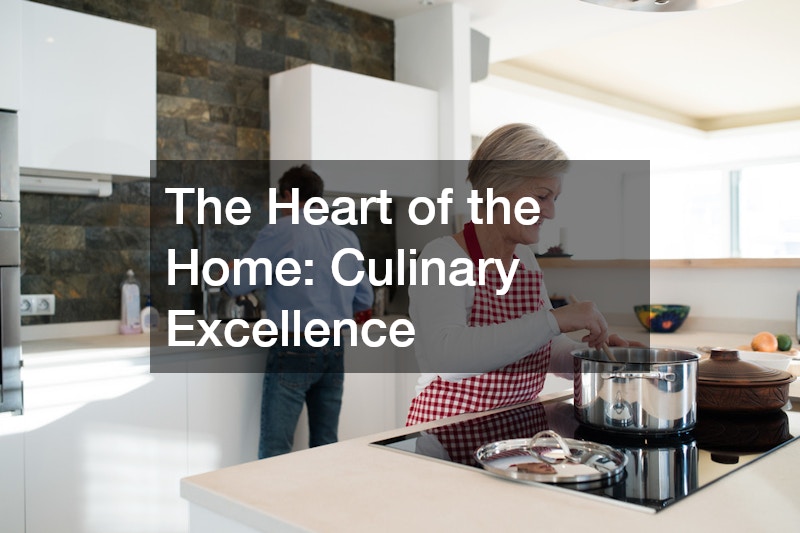
The kitchen is often cited as the room that sells the house. It is the central hub for gathering, cooking, and daily life. Because it sees the most traffic and utility use, it is also the area where high-quality materials pay the highest dividends.
When updating this space, the choice of a cabinet company is paramount, as they provide the structural framework for the entire room. Custom or semi-custom cabinetry allows for optimized storage solutions, such as pull-out pantries and soft-close drawers. To complement these units, a granite countertop remains the gold standard for durability and aesthetic appeal.
Optimizing Kitchen Layouts
-
The Work Triangle: Positioning the sink, stove, and fridge for maximum efficiency.
-
Island Integration: Adding prep space and informal seating for family interaction.
-
Hidden Storage: Utilizing “dead corners” with specialized shelving units.
-
Zone Lighting: Combining task, ambient, and accent lighting for versatility.
Surface Selection and Care
-
Sealing Protocols: Ensuring natural stone remains non-porous and stain-resistant.
-
Edge Profiles: Choosing between eased, beveled, or bullnose edges for style.
-
Heat Tolerance: Understanding which materials can handle hot pans directly.
-
Sanitization: Selecting surfaces that are easy to clean and bacteria-resistant.
Cabinetry Features and Styles
-
Shaker Style: A timeless choice that fits both modern and traditional homes.
-
Frameless Construction: Maximizing interior storage space in smaller kitchens.
-
Soft-Close Hardware: Preventing slamming and extending the life of the doors.
-
Integrated Appliances: Concealing the fridge or dishwasher behind matching panels.
Maximizing Kitchen ROI
-
Timeless Colors: Sticking to neutrals for the “big ticket” items like stone and wood.
-
Hardware Updates: A low-cost way to refresh the look without a full renovation.
-
Under-Cabinet Lighting: Adding high-end appeal for a relatively low investment.
-
Faucet Upgrades: Choosing touchless or high-arc models for better utility.
Walking on Quality: Floor Transformations
Flooring is the largest horizontal surface in any property, meaning it dictates the color palette and “feel” of every room. Worn, stained, or outdated flooring can make an otherwise beautiful home feel neglected. Conversely, new flooring can instantly modernize a space and improve indoor air quality by removing years of trapped allergens.
For areas where comfort and sound dampening are priorities, such as bedrooms or basements, a professional carpet installation offers a cozy and cost-effective solution. High-performance nylon or triexta fibers provide stain resistance that is essential for families and pet owners. In high-traffic or damp areas, a coordinated bathroom remodel might involve switching from old linoleum to luxury vinyl plank or porcelain tile, which provides a waterproof barrier while mimicking the look of expensive natural materials.
Choosing the Right Pile and Fiber
-
Plush/Saxony: Ideal for formal areas and master bedrooms.
-
Berber/Loop: Highly durable and perfect for hallways or high-traffic stairs.
-
Frieze/Shag: Offers a modern look and hides vacuum marks well.
-
Cut-and-Loop: Provides patterns and textures for a custom design feel.
Flooring Underlayment Importance
-
Moisture Barriers: Critical for protecting floors installed over concrete slabs.
-
Sound Insulation: Reducing the noise of footsteps between floors.
-
Cushioning: Providing a softer feel underfoot and extending the life of the carpet.
-
Thermal Insulation: Helping to keep rooms warmer in the winter months.
Waterproof Options for Wet Zones
-
Luxury Vinyl Plank (LVP): 100% waterproof and incredibly realistic.
-
Porcelain Tile: The most durable option for bathrooms and entries.
-
Natural Stone: Requires sealing but offers unparalleled luxury and resale value.
-
Engineered Hardwood: Providing real wood aesthetics with better moisture stability.
Maintenance for Long-Lasting Floors
-
Regular Vacuuming: Removing abrasive dirt that cuts through carpet fibers.
-
Steam Cleaning: Professional deep-cleaning every 12-18 months.
-
Area Rugs: Using “sacrificial” rugs in high-wear spots like entryways.
-
Furniture Pads: Preventing scratches on hard surfaces from chairs and tables.
Curb Appeal and Outdoor Living

The exterior of a property is a preview of what lies inside. It is the first impression for guests and the “recharge station” for residents. Transforming a standard backyard into a functional outdoor living space effectively increases the square footage of your home without the massive cost of a structural addition.
A skilled landscaping contractor can do much more than just mow the grass; they can design drainage solutions, install drought-resistant flora, and create “hardscape” paths that guide movement through the yard. To anchor these features, engaging with professional deck builders allows you to create a transition zone between the indoors and the garden.
Principles of Landscape Design
-
Xeriscaping: Using native plants that require minimal watering.
-
Lighting Design: Uplighting trees and lighting paths for safety and drama.
-
Privacy Screening: Using hedges or lattices to create a secluded feeling.
-
Seasonal Interest: Selecting plants so that something is always in bloom.
Decking Materials and Durability
-
Pressure-Treated Wood: The most affordable option, requiring regular staining.
-
Cedar and Redwood: Naturally rot-resistant with a beautiful organic look.
-
Composite Decking: Virtually maintenance-free and available in many colors.
-
PVC Decking: The ultimate in moisture resistance, ideal for poolside areas.
Creating Outdoor “Rooms”
-
Dining Zones: Level areas large enough for a full table and chairs.
-
Fire Pit Circles: Creating a focal point for evening entertainment.
-
Outdoor Kitchens: Including grills, sinks, and prep space for the ultimate host.
-
Shade Structures: Pergolas or awnings that make the space usable in mid-day heat.
Enhancing Resale Value Outdoors
-
Uniform Mulching: An instant way to make a yard look “manicured.”
-
Pruning and Trimming: Keeping trees away from the roofline for safety and aesthetics.
-
Power Washing: Refreshing old concrete and siding to look like new.
-
Functional Lighting: Ensuring the property looks inviting even after the sun sets.
Logistical Excellence for Major Events
Property ownership often involves hosting—whether it’s a family wedding, a corporate retreat, or a large-scale community gathering. When the guest list exceeds the capacity of the indoor facilities, the “comfort” aspect of your property playbook must extend to temporary logistics.
For upscale outdoor gatherings, standard portable toilets are often insufficient. Investing in restroom trailer rentals provides guests with a climate-controlled, high-end experience that includes running water, flushing toilets, and vanity mirrors. Furthermore, during a massive bathroom remodel, these trailers can serve as a luxury temporary solution for the homeowners themselves, allowing life to continue normally even while the master suite is a construction zone.
Luxury Mobile Facility Features
-
Climate Control: Keeping guests comfortable regardless of the outside temperature.
-
Stereo Systems: Providing ambient music to maintain the event’s atmosphere.
-
Full Vanities: Including large mirrors, high-quality soap, and towels.
-
Ample Capacity: Ensuring no long lines even during peak event hours.
Planning for Renovations
-
Timeline Coordination: Scheduling temporary facilities to arrive before demo day.
-
Utility Connections: Ensuring the site has the water and power needed for the trailer.
-
Level Placement: Finding a flat, accessible spot that doesn’t ruin the grass.
-
Waste Management: Coordinating pickup and cleaning services for longer rentals.
Event Logistics Checklist
-
Power Access: Determining if you need a generator for remote areas.
-
Lighting the Path: Ensuring guests can safely find the facilities at night.
-
Accessibility: Providing ADA-compliant options for inclusive hosting.
-
Vendor Coordination: Making sure all rental companies have a clear delivery path.
Maintaining Property Integrity During Events
-
Ground Protection: Using mats to prevent heavy equipment from rutting the lawn.
-
Guest Flow: Using temporary fencing or signage to keep people off delicate gardens.
-
Waste Disposal: Having a plan for trash removal to prevent post-event cleanup stress.
-
Noise Management: Being mindful of neighbors during large outdoor setups.
The Integrated Vision: Comfort and Value
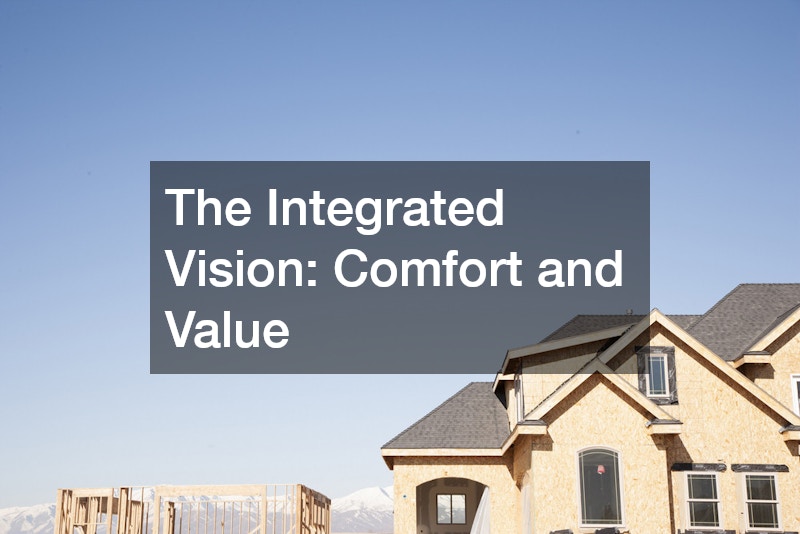
The ultimate goal of any property upgrade is to create a cohesive environment where every element supports the others. A beautiful kitchen loses its appeal if the roof above it is leaking; a stunning deck is less enjoyable if the yard around it is overgrown and poorly lit. True property excellence comes from an integrated approach where structural, mechanical, and aesthetic choices are made with the same level of care.
By following this playbook, you transition from being a reactive owner who only fixes things when they break to a proactive steward of your environment. This strategy not only makes your daily life more comfortable but also builds a “moat” around your financial investment, protecting it from market fluctuations and ensuring it stands out in any real estate landscape.
Summarizing the High-Value Path
-
Seal the Envelope: Prioritize the roof and exterior walls.
-
Modernize the Core: Update electrical and plumbing systems.
-
Refine the Touchpoints: Invest in high-quality floors, counters, and cabinets.
-
Extend the Living Space: Bring the same quality of design to the outdoor areas.
Building a truly exceptional property is a marathon, not a sprint. It requires patience, a clear vision, and the willingness to partner with experts who take pride in their craft. As you check off the items in this playbook, you will find that the value of your home increases in ways that aren’t just measured in dollars. You will feel it in the ease of your morning routine, the pride you feel when welcoming guests, and the peace of mind that comes from knowing your foundation is solid.
The journey of improvement is never truly finished, as styles evolve and technology advances. However, by focusing on the fundamentals—safety, utility, and beauty—you create a timeless asset that will serve you well for as long as you call it yours. Take the first step today, whether it’s a small repair or a grand vision, and start building the future your property deserves.