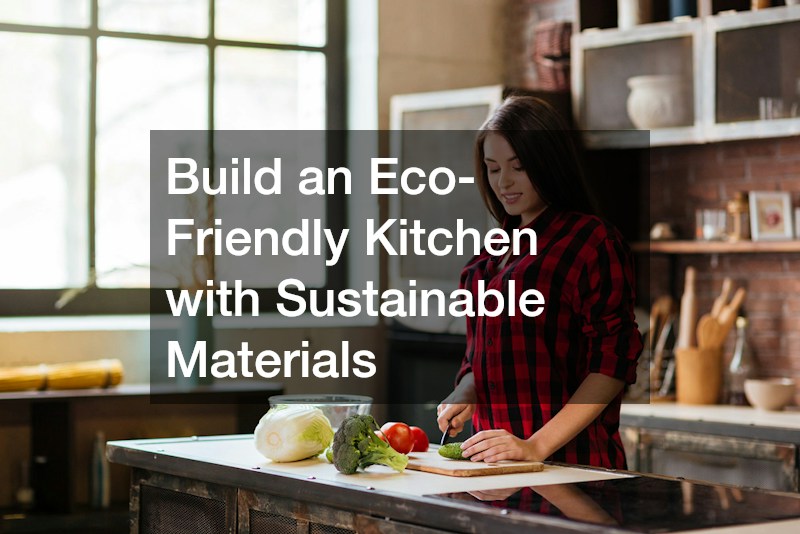
Build an Eco-Friendly Kitchen with Sustainable Materials
The environmental impact of standard home renovations can be staggering. The residential construction and remodeling industry generates millions of tons of debris annually, much of which unfortunately ends up sitting permanently in local municipal landfills. Creating an eco-conscious culinary space goes far beyond simply setting up a recycling bin in the pantry. It involves a holistic, carefully considered approach to exactly how materials are sourced, how they are installed, and how they are maintained over the lifetime of your property. A truly green space prioritizes high energy efficiency, maximum water conservation, and healthy indoor air quality to protect both the earth and your family.
Audit Your Current Space and Salvage Usable Elements

Before swinging a sledgehammer into the drywall, you must take the time to evaluate what can be repurposed, refaced, or donated. The traditional demolition process is notoriously wasteful, often violently destroying perfectly usable lumber, functional fixtures, and expensive appliances. Instead of opting for rapid demolition, consider the practice of deliberate deconstruction. Deconstruction is a careful, methodical dismantling process that preserves the structural integrity of building materials for future use. This method requires significantly more time and patience upfront, but the environmental payoff is immense. You actively divert heavy, bulky items from overburdened waste facilities while giving those valuable materials a second life in another residential or commercial property.
Planning a sustainable kitchen remodeling project requires slowing down the initial teardown phase to meticulously remove and donate existing fixtures to architectural salvage yards. Many local non-profit organizations and housing charities will gladly accept gently used storage boxes, working electrical appliances, and intact light fixtures. In many cases, these organizations will even offer a tax deduction receipt for your charitable contribution. This careful, deliberate extraction process prevents perfectly functional items from becoming permanent garbage, effectively closing the loop on material waste and supporting circular economic practices within your local community.
- Assess your current architectural layout to determine if the existing footprint can be preserved entirely, which eliminates the heavy resource need for new drywall, flooring, and structural framing.
- Carefully unscrew and remove solid wood doors and drawer fronts that can be professionally sanded down, repainted, or re-stained instead of being discarded in a dumpster.
- Donate outdated but functional electrical appliances to local charities, community centers, or specialized recycling facilities that know how to safely reclaim valuable metals and internal electronic components.
- Save original metal hardware, such as solid antique brass knobs or heavy stainless steel drawer pulls, which can be polished and reused to add historical character to your new interior design.
You should also consult with a green-certified home builder to understand which structural modifications can maximize natural daylighting and passive cross-ventilation. An experienced contractor with a strong background in sustainable architecture can identify unique opportunities to enlarge existing windows or strategically install overhead skylights. By capturing more natural daylight and encouraging fresh air circulation, you drastically lower your long-term energy consumption, reducing your ongoing reliance on artificial overhead lighting and mechanical climate control systems throughout the entire year.
Prioritize Low-VOC and FSC-Certified Cabinetry
The storage boxes and shelving units in your culinary space make up a massive portion of the room’s total physical material volume. Unfortunately, standard manufactured wood products like heavy particleboard and medium-density fiberboard are frequently bound together using synthetic chemical resins that contain volatile organic compounds. These harmful chemical compounds, particularly urea-formaldehyde, can seep into your indoor air continuously for years after the initial installation. This toxic off-gassing process contributes heavily to chronic respiratory issues, frequent headaches, and severely degrades the overall environmental quality of your indoor living space.
To keep your indoor air completely clean and free of harmful chemical off-gassing, seek out specialized cabinet designers who work exclusively with Forest Stewardship Council certified woods and formaldehyde-free plywood substrates. These dedicated professionals deeply understand the critical importance of sourcing raw lumber strictly from responsibly managed forests. In these protected areas, native trees are harvested at a sustainable, heavily monitored rate, and local wildlife habitats are rigorously protected from clear-cutting practices, ensuring the long-term ecological balance of the region remains completely intact.
Another excellent alternative for sustainable storage construction is utilizing rapidly renewable biological resources like bamboo or sourcing reclaimed wood salvaged from old agricultural barns and industrial factory buildings. Bamboo is actually a fast-growing grass that reaches harvest maturity in just a few short years, making it an incredibly efficient and renewable crop compared to traditional slow-growing hardwoods that take many decades to mature. Reclaimed wood requires absolutely no new commercial logging whatsoever and adds a rich, historical aesthetic that brand-new, freshly milled lumber simply cannot replicate.
- Request water-based protective lacquers and natural botanical oil finishes instead of traditional heavy solvent-based varnishes that release toxic fumes into the atmosphere as they cure.
- Look for customized storage systems constructed with traditional mechanical joinery methods like wooden dovetailing or mortise-and-tenon connections, which heavily reduce the overall reliance on liquid chemical adhesives.
- Choose heavy-duty drawer glides and internal door hinges manufactured primarily from high-quality recycled steel or repurposed aluminum to further lower the ecological footprint of your storage hardware.
- Verify that any composite backer boards used for the box construction are clearly labeled by the manufacturer as zero-VOC or CARB Phase 2 compliant to ensure absolutely safe indoor air quality.
Select Natural or Recycled Surface Materials
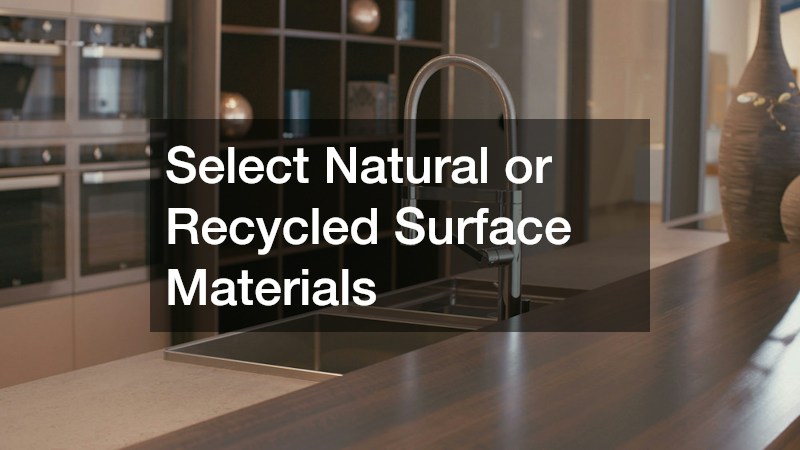
Selecting the right horizontal surfaces involves carefully balancing daily functional durability with strict environmental responsibility. The manufacturing processes for many popular synthetic counters rely very heavily on petroleum-based plastic polymers and highly energy-intensive industrial manufacturing facilities. By intentionally shifting your focus toward natural, biodegradable, or highly recycled options, you can dramatically reduce the embodied energy of your culinary workspace. You can achieve this massive reduction in environmental impact while still easily achieving a highly polished, luxurious aesthetic that stands up to heavy daily cooking tasks.
When shopping for a highly durable kitchen countertop, prioritize innovative materials manufactured from recycled glass, reclaimed wood, or compressed paper composites that actively divert waste from local municipal landfills. Recycled glass surfaces combine crushed beverage bottles and industrial window glass fragments with a natural cementitious binder to create a stunning, highly resilient finish that is entirely unique to your home. Compressed paper surfaces use post-consumer recycled paper baked with natural resins under immense pressure to form a dense, heat-resistant slab that rivals traditional materials in absolute longevity.
If your specific interior design relies heavily on the timeless, organic look of natural stone, source locally quarried granite countertops to drastically cut down on the massive fossil fuel emissions associated with heavy overseas freight transport. Shipping heavy slabs of dense stone across vast oceans and multiple continents contributes significantly to global greenhouse gas emissions. By purchasing stone that is safely extracted from regional quarries close to your home, you support the local economy and massively shrink your project’s overall transportation carbon footprint.
- Investigate the exact projected lifespan of the specific materials you are considering, as a structural product that lasts fifty years is inherently more sustainable than a cheap synthetic one requiring replacement every decade.
- Ask the original manufacturers directly about the end-of-life recyclability of their specific products to ensure the slabs will not become a permanent fixture in a landfill a generation from now.
- Evaluate the daily maintenance requirements carefully, favoring non-porous materials that can be cleaned easily with mild natural soap rather than porous stones requiring harsh, toxic chemical sealants annually.
- Consider incorporating thick butcher block sections made exclusively from FSC-certified regional maple or dark walnut to create dedicated, highly sustainable prep zones that can be sanded and naturally restored indefinitely.
Insist on Resource-Conscious Fabrication and Installation
The total environmental impact of your surfaces goes far beyond the raw materials themselves; the specific industrial methods used to shape, cut, and polish those heavy slabs matter just as much. Traditional industrial stone cutting generates immense amounts of dangerous airborne silica dust and consumes thousands of gallons of freshwater to keep the heavy diamond saw blades cool. If this high-volume cutting process is not managed highly responsibly, the resulting toxic slurry and heavy particulate runoff can easily contaminate local municipal water supplies and severely harm fragile downstream aquatic ecosystems.
Material selection is only half the battle because you must also partner with eco-conscious countertop services that utilize highly advanced closed-loop water filtration systems in their cutting facilities. These brilliant recycling systems capture the exact water used to cool the machinery, filter out the hazardous stone slurry completely, and continuously pump the clean water right back into the equipment. This closed-loop process virtually eliminates all industrial wastewater discharge, saving countless thousands of gallons of municipal drinking water per week.
Equally important is ensuring that your hired quartz countertop installer uses only low-VOC construction adhesives and non-toxic silicone sealants when permanently securing the heavy slabs inside your home. Conventional construction epoxies and industrial caulks release potent, highly toxic chemical vapors that can linger in the air long after the renovation crew has packed up and left. Insisting on green adhesives strictly protects your family’s respiratory health and prevents these invisible chemical pollutants from compromising the healthy environment you have worked so incredibly hard to establish.
Conserve Resources with High-Efficiency Fixtures
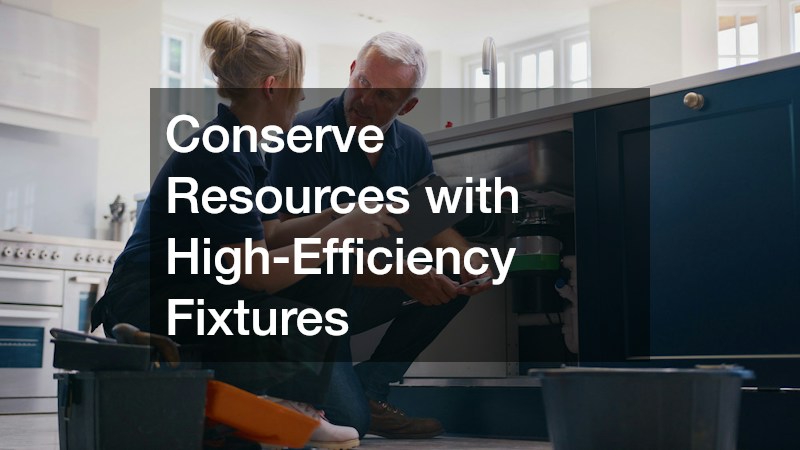
Clean freshwater scarcity is rapidly becoming a pressing global issue, making daily water conservation a top priority in any modern, environmentally responsible home design. The culinary workspace is typically one of the absolute highest water-consuming areas in any residential property, usually second only to the main family bathroom. Upgrading your aging plumbing infrastructure with intelligent, high-efficiency technology is unequivocally one of the most effective ways to reduce your daily resource consumption and substantially lower your monthly municipal utility bills.
Water conservation is vital, so contract an environmentally focused plumbing service to outfit all your sinks with advanced low-flow aerators and smart touchless faucets that prevent gallons of unnecessary water waste each day. A high-quality aerator expertly mixes air into the water stream, maintaining excellent physical washing pressure for scrubbing pots while actually reducing the total volume of water flowing through the spout by up to fifty percent. Smart touchless sensors further enhance this efficiency by automatically shutting off the heavy flow the very moment you pull your hands away from the basin.
Have an experienced local plumber inspect the updated pipe layout to carefully install a compact point-of-use water heater directly beneath the main sink basin. This brilliant device delivers instant hot water for washing and completely stops you from running cold water endlessly down the drain while you wait for the temperature to rise from the main house tank. Traditional central water heaters often sit dozens of feet away, meaning you waste considerable amounts of clean drinking water just waiting for the heated supply to travel through the uninsulated pipes to reach your hands.
Implement Non-Toxic Maintenance Routines for Longevity
A truly sustainable home requires ongoing, highly conscious daily care to ensure the maximum physical longevity of your newly installed eco-friendly building materials. How you choose to clean and maintain your space directly dictates its ultimate environmental footprint over time. Many conventional, commercially available household cleaners contain synthetic artificial fragrances, harsh phosphates, and aggressive bleaching agents that severely degrade indoor air quality. Eventually, these harsh toxins make their way into local rivers and streams, so shifting to natural cleaning alternatives is a simple but incredibly powerful act of environmental stewardship.
You can easily and effectively protect municipal water filtration systems from chemical pollutants by relying exclusively on biodegradable natural cleaning agents like distilled white vinegar, baking soda, and liquid castile soap. These natural, inexpensive pantry staples are incredibly effective at cutting through tough cooking grease, safely disinfecting daily food prep zones, and lifting deep stains. Most importantly, they accomplish all of this hard work without ever leaving a toxic, dangerous chemical residue behind on the very surfaces where you regularly prepare your family’s fresh meals.
When inevitable drain blockages unfortunately happen, skip the highly corrosive, extremely dangerous store-bought liquid solvents altogether. Instead, rely on natural enzymatic bacterial treatments or professional mechanical clogged drain cleaning to clear your pipes safely. Harsh chemical liquid drain openers rely on violent exothermic chemical reactions that can literally melt residential PVC pipes, destroy beneficial bacteria in private septic systems, and cause severe chemical burns to human skin. Mechanical physical augers and high-pressure hydro-jetting remove the physical blockage entirely without ever introducing a single drop of toxic poison into the regional water supply.
Take the necessary time right now to thoroughly research all your available options, ask tough questions about material sourcing, and hold your hired contractors strictly accountable to very high environmental standards. A beautifully designed, highly resilient, and entirely eco-conscious space is entirely within your reach. Start planning your responsible, low-impact property upgrades step-by-step today to effortlessly create a welcoming gathering place that many future generations will deeply appreciate, admire, and respect for years to come.