Designing an Entertaining Space for Relaxed Outdoor Living
Outdoor living has become one of the most desirable home improvements for homeowners who want to enjoy their property more often while also creating an inviting space for family and guests. A thoughtfully designed backyard can serve as an extension of the home, providing space for dining, relaxation, conversation, and recreation without sacrificing comfort or style.
The most successful outdoor entertaining spaces are built around the way people actually live. Some homeowners prioritize large gatherings and cookouts, while others want a peaceful retreat for quiet evenings outdoors. Many households need a combination of both. The key is designing an environment that feels functional, welcoming, and easy to maintain throughout the year.
From selecting durable materials to planning shaded seating areas and creating smooth traffic flow, every design decision contributes to the overall experience. Careful planning can help homeowners avoid overcrowded layouts, poor lighting, uncomfortable seating arrangements, and outdoor spaces that go unused because they are difficult to enjoy during changing weather conditions.
Whether the backyard is large or compact, the right design approach can transform it into a relaxing entertainment destination that works for everyday living as well as special occasions.
Start With a Clear Plan for Everyday Use

Before purchasing furniture or beginning construction projects, homeowners should carefully evaluate how they intend to use the outdoor space most often. Designing around actual habits and lifestyle needs helps create an environment that remains functional for years instead of becoming a collection of disconnected features.
One of the most common mistakes homeowners make is trying to fit every possible feature into the yard without considering how each area will be used. A better approach is to identify the primary goals for the space and build outward from there.
Questions to ask during the planning phase include:
- Will the area mainly be used for large gatherings or small family dinners?
- Is cooking an important priority outdoors?
- Will children or pets use the yard regularly?
- Is privacy a major concern?
- How much maintenance is realistic for the household?
- Will the space be used year-round or seasonally?
- Are there areas with excessive sun or wind exposure?
Once those answers are clear, homeowners can begin mapping out zones for dining, relaxing, cooking, and walking paths. Separating the space into functional areas helps prevent overcrowding while improving comfort and organization.
It is also important to consider the natural conditions of the property before beginning any upgrades. Existing trees, slopes, drainage issues, and sun exposure patterns all influence how comfortable the space will feel during different times of the day.
Professional tree services can help evaluate mature trees that may affect lighting, safety, or airflow in the yard. Healthy trees can provide valuable shade and improve the atmosphere, while neglected trees may create hazards or interfere with entertaining areas.
Homeowners should also schedule regular tree trimming to reduce falling debris, improve sightlines, and maintain a cleaner appearance around seating and dining areas. Proper maintenance helps ensure outdoor gatherings remain comfortable and safe throughout the year.
Create Comfortable Areas That Encourage Conversation
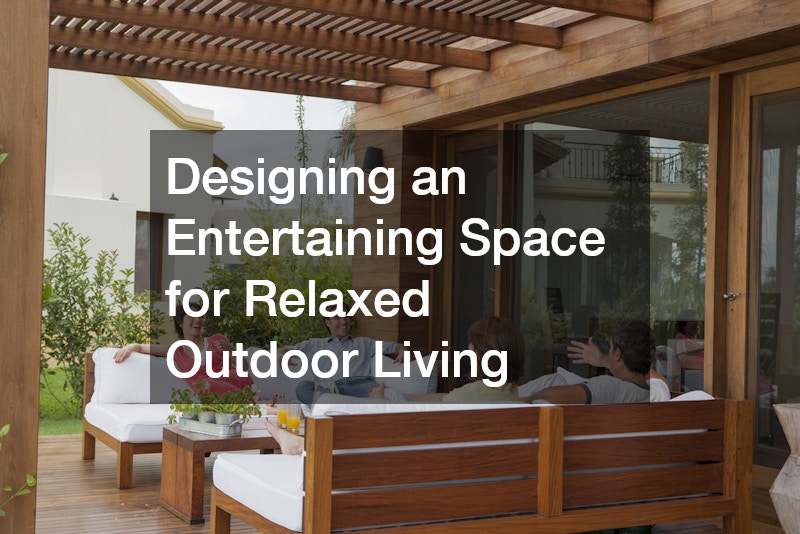
Comfortable seating is one of the most important parts of any outdoor entertaining space. Guests naturally gather where seating feels inviting, shaded, and easy to access. Poor furniture placement or uncomfortable materials can make even a beautifully designed backyard feel unwelcoming.
Instead of treating the outdoor area like a single open patio, it is often more effective to create multiple seating arrangements designed for different activities. This approach gives guests flexibility while helping the space feel more relaxed and conversational.
For example, homeowners may include:
- A dining area for meals and celebrations
- A casual seating space for conversation
- Quiet corners for reading or relaxing
- Flexible seating near fire pits or outdoor entertainment systems
Furniture should be arranged in ways that encourage interaction rather than forcing guests to sit in straight lines facing one direction. Circular or semi-circular layouts tend to feel more welcoming and natural during gatherings.
When selecting lounge seating, homeowners should prioritize both durability and comfort. Outdoor furniture must withstand changing weather conditions while remaining comfortable enough for extended use. Materials like powder-coated aluminum, teak, resin wicker, and weather-resistant fabrics are often reliable choices for long-term performance.
Comfort can also be improved with:
- Deep cushions and supportive backs
- Side tables for drinks and snacks
- Outdoor rugs to define gathering areas
- Layered lighting for evening use
- Portable ottomans and movable chairs
Shaded seating areas are equally important, especially in warmer climates where direct sunlight can quickly make outdoor spaces uncomfortable. A large patio umbrella can provide immediate relief from harsh sun exposure while also helping define seating zones visually.
Cantilever umbrellas are especially useful because they provide flexible coverage without a center pole interfering with furniture arrangements. Homeowners should look for adjustable designs that can be repositioned throughout the day as sunlight changes.
Design a Cooking and Dining Area That Functions Smoothly
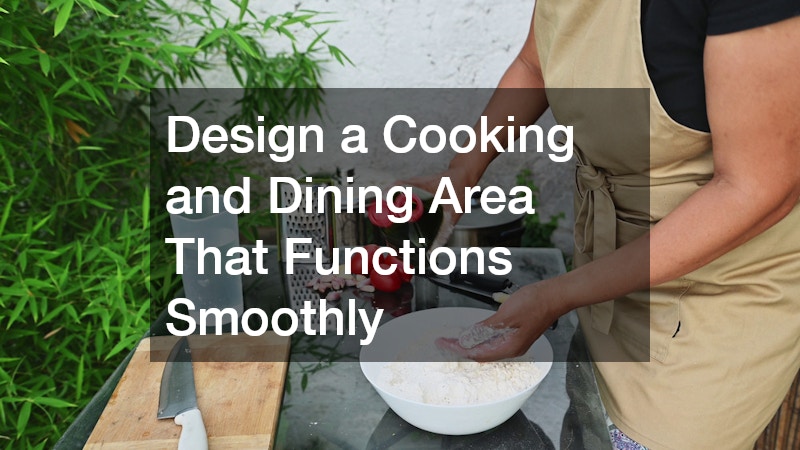
Outdoor entertaining often revolves around food, making cooking and dining areas some of the most heavily used spaces in the backyard. A well-planned setup allows hosts to prepare meals efficiently while still remaining connected to guests during gatherings.
One of the most effective strategies is keeping cooking, prep, serving, and dining areas relatively close together. Excessive walking between zones can interrupt conversations and make hosting more stressful.
Homeowners should consider:
- Traffic flow between indoor and outdoor areas
- Access to utilities and storage
- Countertop space for food preparation
- Seating arrangements for guests nearby
- Lighting for evening cooking sessions
An outdoor kitchen can significantly improve functionality for homeowners who entertain regularly. Built-in cooking areas create a more organized and enjoyable hosting experience while also increasing property appeal.
Popular features may include:
- Built-in grills
- Refrigeration units
- Ice makers
- Storage cabinets
- Sinks and prep stations
- Bar seating
- Pizza ovens or smokers
Durability should remain a top priority when selecting materials and appliances. Outdoor environments expose surfaces to moisture, sunlight, and temperature fluctuations that can damage low-quality finishes over time.
Stone, stainless steel, and concrete are often reliable materials for long-term outdoor use. Homeowners should also invest in proper ventilation and weather protection to help preserve appliances and furniture.
Dining areas should feel connected to the cooking space without becoming overcrowded. Adequate spacing between tables, serving stations, and walkways helps guests move comfortably while reducing congestion during larger gatherings.
Lighting also plays a major role in creating a functional dining experience outdoors. Layered lighting combinations often work best, including:
- Overhead string lighting
- Task lighting near cooking stations
- Accent lighting along pathways
- Soft ambient lighting around seating areas
Improve Comfort During Changing Weather Conditions
Outdoor entertaining spaces are far more enjoyable when they remain comfortable during different weather conditions. Heat, glare, wind, insects, and unexpected rain can quickly disrupt gatherings if the space lacks proper protection.
Instead of relying on a single solution, homeowners often achieve the best results by layering multiple comfort features throughout the yard.
For example:
- Permanent shade structures can cover dining areas
- Adjustable shade systems can respond to changes in sunlight
- Trees and landscaping can cool specific zones naturally
- Enclosed areas can reduce insects and debris
Motorized patio shades are particularly useful for homeowners who want flexibility throughout the day. These systems allow users to adjust shade coverage easily depending on sunlight intensity, privacy needs, or weather changes.
Benefits may include:
- Reduced glare during afternoon gatherings
- Improved temperature control
- Enhanced privacy from nearby homes
- Protection for furniture and electronics
- Increased comfort during windy conditions
Automated systems are especially effective for patios connected directly to the home because they help create a more seamless indoor-outdoor transition.
Another highly effective solution for year-round comfort is a lanai screen enclosure. Enclosed outdoor areas help reduce insects, airborne debris, and excessive sun exposure while still preserving airflow and outdoor views.
These enclosed spaces are often ideal for:
- Outdoor dining
- Poolside lounging
- Morning coffee areas
- Family game nights
- Evening gatherings
Because enclosed areas remain more protected from weather conditions, homeowners may also find that furniture and decorative materials last longer with less maintenance.
Use Landscaping To Shape the Experience

Landscaping plays a major role in how outdoor spaces look, feel, and function. Strategic landscaping can create privacy, improve traffic flow, soften hard surfaces, and establish a more relaxing atmosphere throughout the yard.
One of the most effective approaches is using landscaping to separate different activity zones naturally. Instead of relying solely on walls or partitions, homeowners can define areas using plants, pathways, elevation changes, and decorative borders.
For example:
- Shrubs can separate quiet seating spaces from dining areas
- Decorative grasses can soften patio edges
- Raised planters can guide foot traffic
- Trees can provide shade and visual balance
Professional hardscape services can help homeowners create durable structural elements that improve both appearance and functionality. Hardscaping refers to permanent non-plant features such as patios, retaining walls, pathways, and stone borders.
These features provide several benefits:
- Reduced maintenance compared to grass
- Improved drainage and erosion control
- Better organization of outdoor zones
- Safer walking surfaces
- Enhanced property value
Material selection is especially important when designing entertaining spaces. Natural stone, pavers, brick, and stamped concrete each offer different visual styles and maintenance requirements.
Homeowners should choose materials that complement the home’s architecture while also considering:
- Slip resistance
- Heat retention
- Drainage performance
- Long-term durability
- Ease of cleaning
Landscape lighting can further improve the atmosphere while increasing safety during evening gatherings. Soft pathway lighting, uplighting around trees, and accent lighting near water features can make outdoor spaces feel more inviting after dark.
Plants should also be selected carefully based on climate conditions and maintenance expectations. Overly demanding landscaping can become difficult to maintain, especially for homeowners who entertain frequently and want the yard to remain tidy year-round.
Add Privacy and Security Without Sacrificing Style
Privacy is one of the most important factors in creating a truly relaxing outdoor environment. Guests tend to feel more comfortable when entertaining spaces offer protection from nearby traffic, neighboring homes, and excessive noise.
Fencing is often one of the most effective ways to create separation while improving security for children and pets. However, fencing should complement the overall design rather than making the yard feel closed off or confined.
Homeowners should consider:
- Desired privacy level
- Neighborhood regulations
- Maintenance requirements
- Long-term durability
- Architectural compatibility
Working with a professional gate and fence installer can help homeowners avoid common problems related to uneven terrain, improper measurements, drainage interference, and material failures.
Professionals can also recommend fence styles that balance privacy with aesthetics, including:
- Horizontal wood fencing
- Decorative aluminum fencing
- Vinyl privacy fencing
- Composite fencing systems
- Mixed-material designs
Strategic gate placement is another important consideration for entertaining spaces. Gates should allow guests to move naturally through the property without disrupting seating or dining areas.
Thoughtful fencing installation can also help define backyard zones more effectively while improving security around pools, outdoor kitchens, and play areas.
In addition to fencing, homeowners can improve privacy with:
- Hedges and tall landscaping
- Pergolas and trellises
- Outdoor curtains
- Decorative panels
- Water features that mask noise
Layering multiple privacy elements often creates a more natural and visually appealing result than relying on a single barrier alone.
Layer Lighting for Better Evening Entertaining
Lighting has a dramatic impact on the atmosphere and functionality of outdoor spaces. Poor lighting can make gatherings feel uncomfortable or unsafe, while thoughtfully designed lighting helps create warmth, ambiance, and visual depth.
The most effective outdoor lighting plans use multiple lighting types instead of depending entirely on one bright overhead fixture.
A layered approach may include:
- Ambient lighting for general visibility
- Task lighting for cooking and dining
- Accent lighting for landscaping and décor
- Pathway lighting for safety
- Decorative lighting for atmosphere
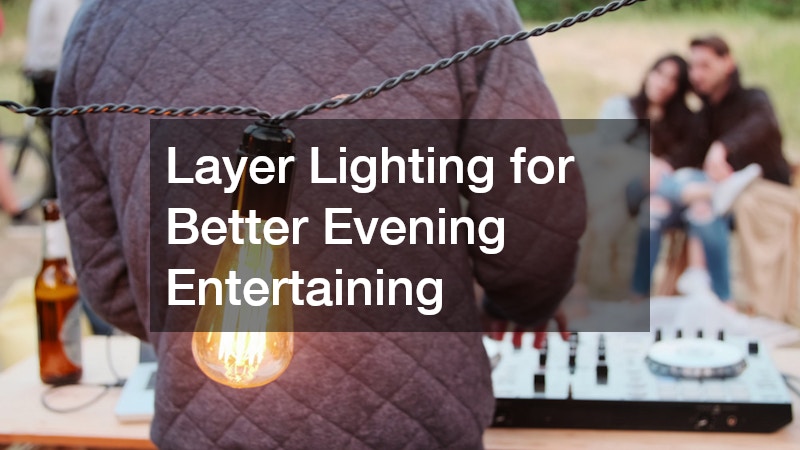
String lights remain popular because they create a soft, inviting glow without overwhelming the space. They work especially well above dining tables, pergolas, patios, and lounge areas.
Pathway lighting is equally important for both safety and aesthetics. Illuminating stairs, transitions, and walkways helps guests move comfortably throughout the property during evening events.
Homeowners should also pay attention to the lighting color temperature. Warm lighting typically creates a more relaxed atmosphere compared to harsh, bright white lighting, which can feel overly commercial or sterile in residential settings.
Timers, dimmers, and smart lighting systems can further improve convenience and energy efficiency while allowing homeowners to adjust the atmosphere for different types of gatherings.
Conclusion
Designing an outdoor entertaining space involves far more than simply adding furniture to a patio. The most successful outdoor environments are carefully planned around comfort, functionality, privacy, and long-term enjoyment. By creating dedicated gathering areas, improving weather protection, incorporating thoughtful landscaping, and investing in durable materials, homeowners can transform ordinary backyards into inviting retreats that support both relaxation and entertaining.
A well-designed outdoor space not only enhances daily living but also creates opportunities for meaningful gatherings with friends and family throughout the year. With thoughtful planning and consistent maintenance, homeowners can enjoy an outdoor environment that remains beautiful, functional, and welcoming for many years to come.